
Rosa interviews them by phone and follows the story where it goes. What comes back is theirs to watch, read, or listen to.
Volume One, $99 one time. Nothing renews. See what arrives
Your first story is free No credit card Video usually emailed the same day
Every family has them. The summer job, the drive home, the kitchen that always smelled like something. They come up at dinner, everyone laughs, and then they go back to being nowhere.
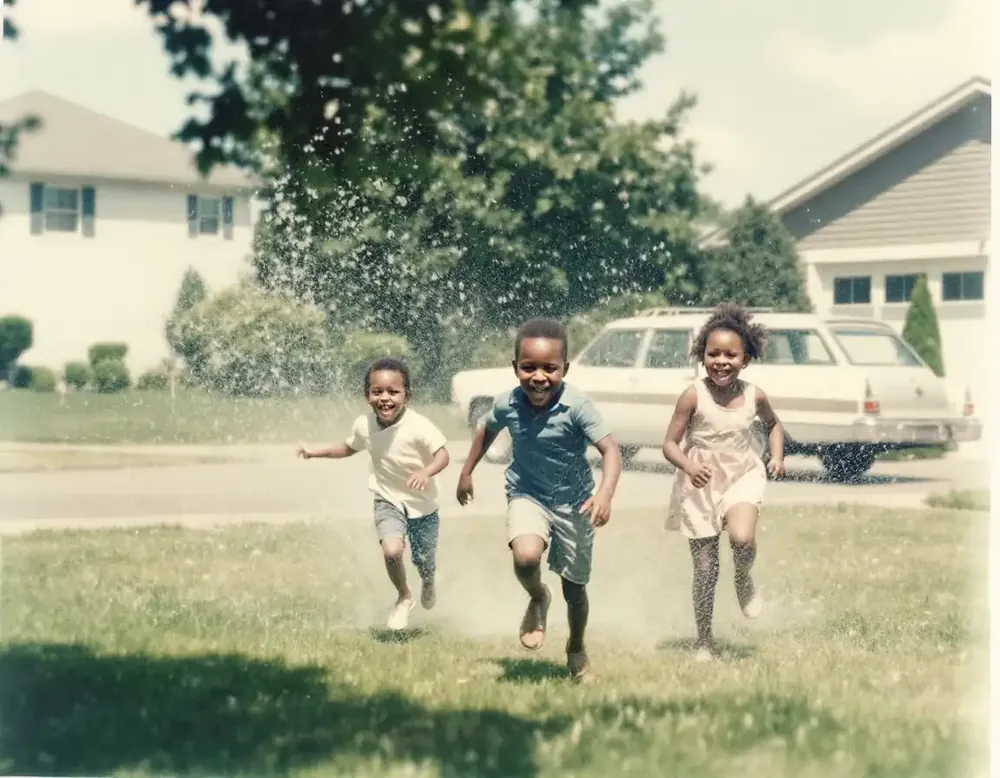

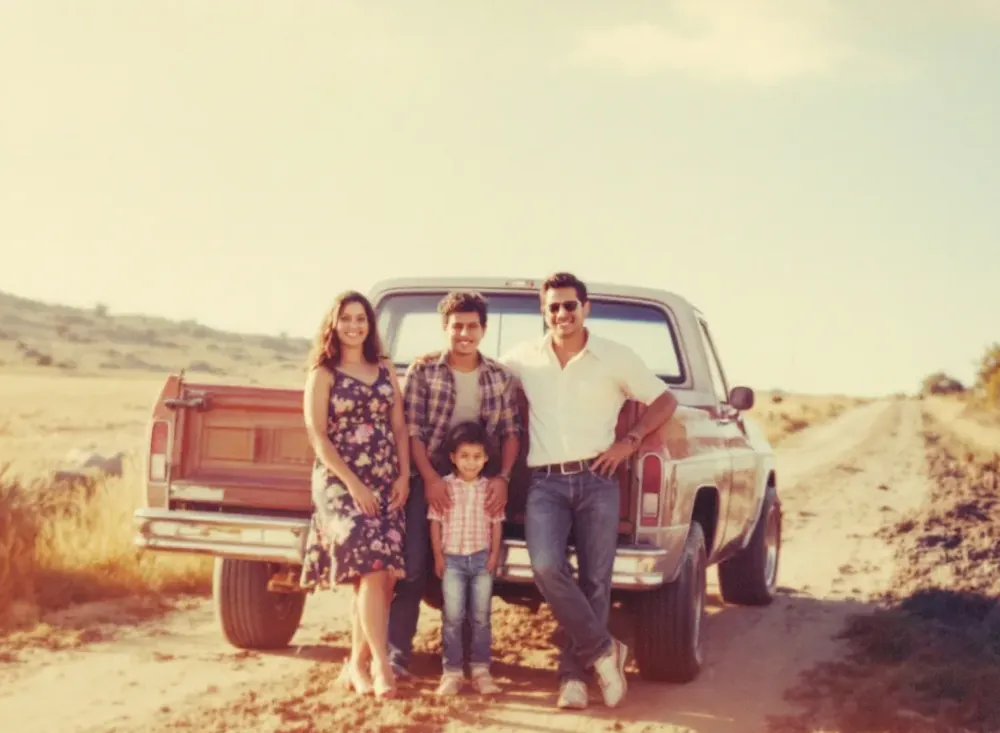
The stories that made us.
Every conversation comes back as a short video in their own voice. The illustration is drawn from what they said, and it arrives with music, captions and a full transcript.
Try it on yourself. Pick a question, answer it, and we email you the video.
What changes is only how the first conversation begins. Rosa interviews the same way after that, and the same thing comes back.
No number to dial and nothing to install. We text them a link, they tap it, and Rosa is there in the browser. It is the fastest way in, and it is the one you can use on this page right now, free.
A short form first, then Rosa talks with you. No card, about six minutes.

Pick the days and the time. Their phone rings, Rosa says hello, and they talk. Any phone works, landlines too, and nobody has to remember to start anything.
Stories rarely arrive on schedule. Once they are set up, they have a number of their own, so a story that surfaces at eleven at night gets told at eleven at night.
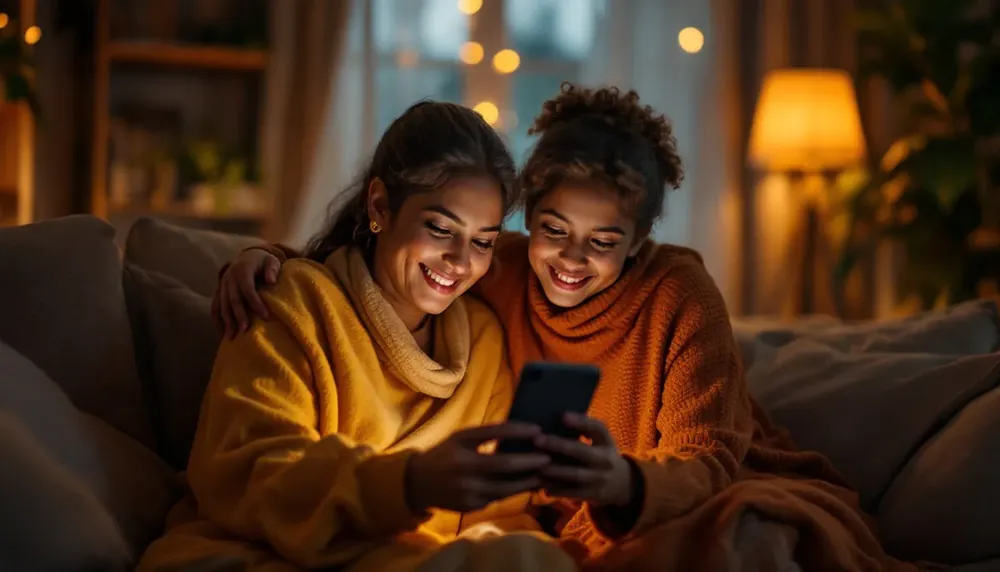
Whichever way it started, this part is the same. Rosa asks about what they just said, not the next thing on a list, and has no set number of questions to get through. When the conversation ends, we turn it into a short video in their own voice, with music, captions and a full transcript, and usually email it the same day. The artwork is drawn from what they said, so nothing has to be found in a box in the attic.
One thing I learned: work is not easy. You have to work at what you want to do.
Yep, I was fired from my first job. But guess what? I got to go to Niagara Falls.
She would get up at four in the morning and make a whole breakfast for my dad before he went to work. Then before we went to school, she would make biscuits and gravy and eggs and sausage, and it was delicious.
All three came out of ordinary calls. Nobody prepared, and nobody wrote anything down.
The questions that come up most often. The rest are on the FAQ page.
See all FAQs →Up to five minutes. Most stories run two to three. They can hang up whenever they're done.
The voice recording is paired with AI watercolor illustration and human curation: gentle music, captions, and a full transcript. The end result is a short keepsake video in their own voice.
Yes. We call them directly. Nobody needs a smartphone, an app, or any tech beyond answering the phone. Landlines work too.
That's exactly how the free trial works. Pick a question, record your own answer, see what comes back. No credit card.
Usually the same day the call ends. We'll email you the moment it's ready.
Recordings are encrypted and stored privately. Only you, and anyone you choose to share a story with, can access them. We never sell or share recordings, and we never use them to train AI.